Home / Healthcare

HealthcareEquipment Recycling in Houston

Healthcare equipment recycling in Houston is becoming an important part of how medical facilities handle old and outdated devices. With new technology constantly changing, hospitals and clinics in Houston are looking for safe and eco-friendly ways to recycle their equipment. This helps protect sensitive information and supports a healthier environment for everyone.

Contact Us for Free Pickup:


Recycling Healthcare Imaging Equipment and Technologies in Houston

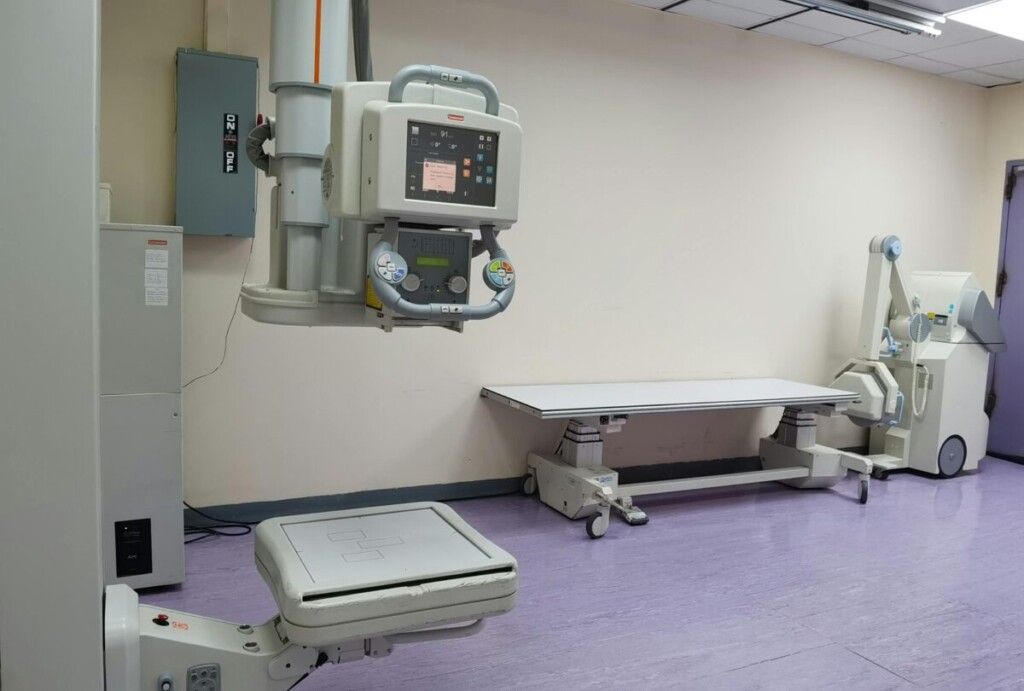
Taking a peek inside a patient’s body is frequently necessary for a clear diagnosis. Every effort is made to avoid surgery whenever feasible by using one or more imaging modalities. Each device has a unique set of capabilities and is better suited for examining specific bodily structures.  It is necessary to give each with care; some require extra caution because of the possibility of radiation exposure for the patient. Old devices must be properly disposed of since imaging technology is always improving.

Services Include:

  • Medical Equipment Recycling
  • Dental Equipment Recycling
  • MedSpa Equipment Recycling
  • Laboratory Equipment Recycling
  • Ophthalmologist Equipment Recycling

Responsible Disposal of X-Ray Machines

In addition to being quick and straightforward to administer, X-rays are also reasonably priced. A patient must be exposed to a certain amount of radiation in order for an X-ray to be taken, and the equipment used to produce the images might include potentially harmful substances such as chemicals. The vast majority of X-rays are now taken digitally, although some are still processed on film for historical purposes. The silver nitrate ingredient that is present on X-ray films must be removed before the films may be disposed of properly.

Recycling of Computed Tomography (CT/CAT) Scan Equipment

Computing tomography, often known as CT or CAT scans, is a form of X-ray that creates images of the body that are sharper and more detailed than normal film X-rays. It is used to diagnose and treat a wide range of medical conditions. To do this, the patient must remain still on a motorized platform that goes slowly around a circular CT scanner while a narrow, fan-shaped X-ray beam is sent across his or her body.

Proper E-Waste Disposal of MRI Machines and Components

A magnetic resonance imaging (MRI) system may provide pictures of soft tissues without exposing the patient to radioactive materials. It is instead necessary to send the patient through a powerful magnetic field, which generates an image by momentarily realigning the protons within the body. Patients with metal implants should not undergo magnetic resonance imaging (MRI), and they must remain completely motionless during the scan to avoid blurring of the picture.

Ultrasound Device Recyclingt

High-frequency sound waves are bounced off the tissues of the body to produce a picture, which is created by ultrasound. The sound waves are communicated by a probe that comes into contact with the patient’s skin, and pictures are shown on a computer screen as a result of the transmission. It does not emit any radiation and is often regarded as the safest imaging technique available.

Noninvasive Surgery Device Recycling

Infection and bleeding are two risks associated with open surgery. In general, patients recover more quickly and experience fewer difficulties after noninvasive surgery, which requires just minor surgical incisions to accommodate probes. Noninvasive surgery may be divided into two types:

  • Scopes: Diagnostic and therapeutic treatments are carried out by manually introducing a small camera and microsurgical equipment into the body. Arthroscopy, endoscopy, and laparoscopy are all examples of procedures that are performed on the joints.
  • Robotic Surgery: Similarly, microsurgical instruments and small cameras are used in these operations, but instead of the surgeon directing the equipment physically, he or she manipulates the tools through the use of a computer interface. In addition to general surgery, robotic surgery may be used for gynecological, urological, and cardiothoracic operations, among other treatments.

Electronic Recycling in Houston for Health Clinics and Surgical Centers

Patient treatment does not necessarily have to take place in a hospital setting, nor is it always ideal for them to do so. Clinics and ambulatory surgical facilities usually provide patients with the convenience of receiving treatment on the same day that they see them, saving them the time and money that would otherwise be spent checking in and out of the hospital many times.

HIPAA-Compliant and ISO-Certified for E-Waste Recycling

In addition to imaging and surgical equipment, clinics and surgery centers make use of computer consoles, hard drives, and servers, all of which have the potential to store sensitive patient information. In order to comply with government laws, Houston United Computer Recycling disposes and recycles these things in a manner that is neither harmful to the environment or compromises patient confidentiality. Please get in touch with us if you want further information or to organize a pickup.