Medical Equipment Recycling in Houston
Looking to recycle medical equipment in Houston Whether you’re upgrading, clearing out old devices, or ensuring compliance with data privacy laws, finding a secure and responsible solution matters. At Houston United Computer Recycling, we help medical facilities take the next step toward safe, eco-friendly disposal.
Contact Us for Free Pickup:
Responsible Recycling of Medical Devices in Houston
All medical institutions, including hospitals, medical schools, clinics, dentistry offices, ophthalmology
practices, medspa facilities, labs, nursing homes, and other medical facilities, rely heavily on technology and medical electronics. Doctors and other medical professionals treat patients with the use of advanced technological devices. New technology is sought after by every modern medical institution due to the fact that these pieces of equipment are more precise and efficient. Increasing numbers of medical institutions are utilizing technology-assisted equipment, which increases the demand for their recycling at an alarming rate.
When it comes to recycling, healthcare and medical gadgets require a specific level of care, just as other types of IT equipment do. Those gadgets contain potentially dangerous chemicals as well as sensitive information. The disposal of medical equipment in a landfill is not the best solution. Some medical electronics are required to include extensive support documentation on recycled equipment, such as unit serial numbers or certifications of destruction, as a result of state or federal legislation.
Because of technological advancements in all electronic equipment, especially computers, their usable life is continuously being reduced. As a result, a complex and quickly expanding waste stream is being generated. In addition to lead in cathode ray tube (CRT) monitors, chlorinated plastics in cable wiring, brominated flame retardants in circuit boards, and mercury in liquid crystal displays, other types of biomedical equipment contain a variety of hazardous constituents, ranging from lead in cathode ray tube (CRT) monitors to mercury in liquid crystal displays.
One-third of the lead detected in municipal garbage comes from CRTs, which are the most common type of television. When electronic equipment is improperly managed or disposed of, it poses a major hazard to both public health and the environment. Managing electronic equipment in a way that keeps costs under control, protects data, and ensures compliance with federal, state, and local requirements is essential for healthcare institutions.
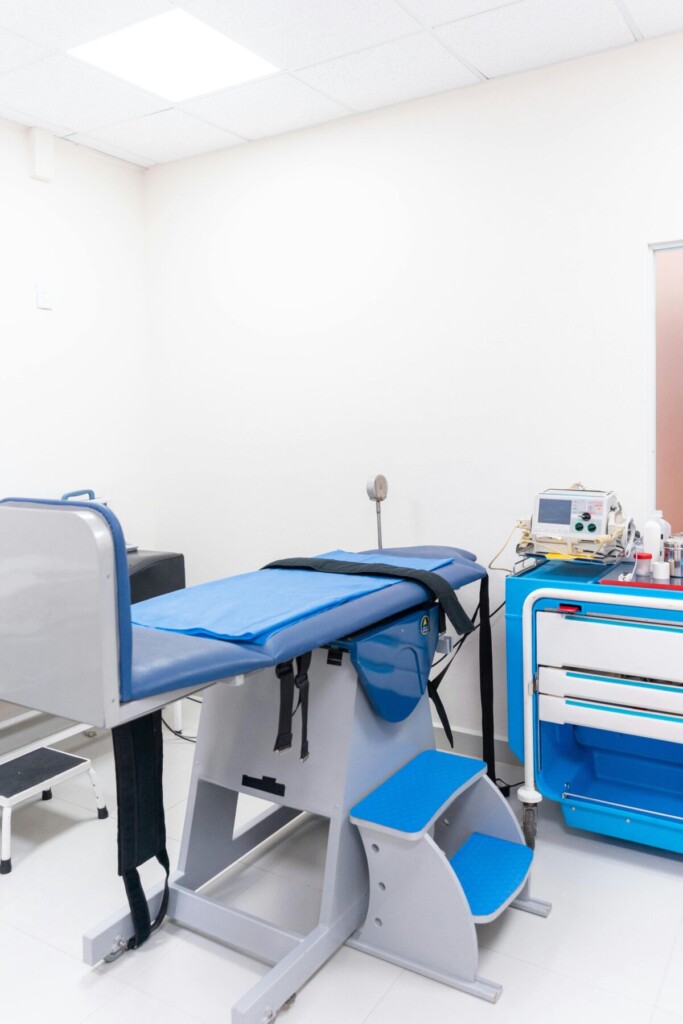
Recycling of Medical Devices in Houston
While the data of nearly every business is highly sensitive, nowhere is it more important than in the field of health, where secrecy is absolutely vital. When it comes to securing patient information, healthcare professionals must adhere to a number of strict rules. All while maintaining compliance with federal rules, they have a responsibility to secure E-PHI (electronic protected health information), patient identification, and payment method information.
- Health Insurance Portability and Accountability Act (HIPAA)
- Health Information Technology for Economic and Clinical Health Act (HITECH)
- Sarbanes-Oxley Act
- Gramm-Leach-Bliley Act
- FACTA Disposal Rule
- Patriot Act of 2002
- PCI Data Security Standard
Understanding the Identity Theft and Assumption Deterrence Act in Medical Electronics Recycling
Protecting patient information is a problem that healthcare professionals must remain on top of because of the constantly changing nature of technology and devices that communicate E-PHI via networks. Hackers attack hospitals on a regular basis in search of personally identifiable information to resell on the black market. According to one example, Chinese hackers stole 4.5 million patient information in 2014 in order to commit medical and financial fraud.
Additionally, according to a Mayo Clinic research, which was covered by Bloomberg, all types of medical equipment evaluated in the study were found to be extremely vulnerable to hacking, data infiltration, and extraction. Only a small number of healthcare companies or medical institutions are dedicated to data deletion and information technology recycling. Mishandling of e-waste and medical data, on the other hand, might result in severe penalties if the organization does not adhere to HIPAA and other regulations meant to preserve the information.
It is critical to work with a qualified IT disposal provider to ensure that all data is completely destroyed and that medical equipment is appropriately recycled.
How to Choose the Right Medical Equipment Recycling Partner
It is critical to select the most qualified data deletion and electronic recycling company. Most suppliers are not accustomed to working with sophisticated medical devices, so make certain that the ones you choose are knowledgeable in their field.
Examine their qualifications to ensure that they will handle medical equipment in a safe and responsible manner. The as well as the OHSAS 18000 certification are typically strong indicators of the company’s dependability.
Protecting the chain of custody reduces the risks associated with medical organizations. Houston United Computer Recycling employs the most up-to-date technology available to erase, cleanse, and destroy medical e-waste, as well as complete services to assist companies in implementing safe and cost-effective recycling and data management policy.
Because the majority of medical devices include hazardous chemicals, it is critical that the equipment be disposed of in an environmentally acceptable manner. As previously stated, the accreditation is an indication that medical products will be handled in an ecologically friendly manner. Because the majority of medical devices include hazardous chemicals, it is critical that the equipment be disposed of in an environmentally acceptable manner. As previously stated, the accreditation is an indication that medical products will be handled in an ecologically friendly manner.
Houston United Computer Recycling is certified by ISO 14001, ISO 9001, and ISO 45001 standards, as well as to HIPPA, PCI DSS, PIPEDA, NIST, GLBA, FACTA, and the CJIS standards.
Medical equipment recycling and disposal with Houston United Computer Recycling is completely safe, secure, and certified to the highest industry standards of safety, security, and compliance. Managing retired assets for medical suppliers, hospitals and clinics, dentists and optometrists, medical schools and other healthcare institutions in a responsible, efficient, and secure manner is a priority for us.
We guarantee that your company’s brand is protected, that regulations are followed, and that thorough reports are provided. We place a high value on customer service, and each client is allocated a personal account manager who will help them throughout the whole process, including the preparation of thorough Certificates of Destruction reports.
Some types of medical equipment that we accept for recycling:
Some types of medical equipment that we accept for recycling:
- Anesthesia Units
- Aspirators
- Auto-Samplers
- Autoclaves
- Balloon Pumps
- Brain Monitors
- Capnography Modules
- Centrifuges
- Chillers / Coolers
- CPAP Machines
- Crash Carts
- Defibrillators
- Diagnostic Equipment
- Digital Scales
- Electronic Surgical Unit (EDU)
- Edgers
- Electric Stimulation Units
- Endermologie
- Endoscopy Equipment
- Environmental Chambers
- Exam Chairs
- Fundus Cameras
- Furnaces
- Gas Chromatographs
- Gurneys
- HPLC Equipment
- ICP Units
- Incubators
- Infusion Pumps
- IV Pumps
- Keratometers
- Laboratory Equipment
- Lab Ovens
- Laparoscopy Equipment
- Lasers
- Lensometers
- LNCS (Cabled Sensors)
- Medical Device Recalls
- Microdermabrasion
- Microscopes
- O2 Concentrators
- Ophthalmoscopes
- Otoscopes
- Patient Care Equipment
- Patient Monitors
- Phacoemulsifiers
- Phoropters
- Probes
- Rotary Evaporators
- Pulse Oximeters
- Regulators
- Shakers
- Skin Treatment Lasers
- Slit Lamps
- Spectrometers
- Spectrophotometers
- Sterilizers
- Stretchers
- Stirrers
- Surgical Lasers
- Surgical Microscopes
- Surgical Tables
- Surgical Tools
- Thermal Cyclers
- Tinters
- Tonometers
- Ultrasound Equipment
- Ultrasound Machines
- Ultrasound Probes
- Vacuum Pumps
- Ventilators
- Water Baths
- X-Ray Machines
Our Certifications
Houston United Computer Recycling is fully certified to international standards, following strict protocols for electronics recycling, IT asset disposition, secure data destruction, sustainability, and employee safety. These certifications reflect our commitment to compliance, transparency, and responsible e-waste management.



Secure Data Destruction Compliance